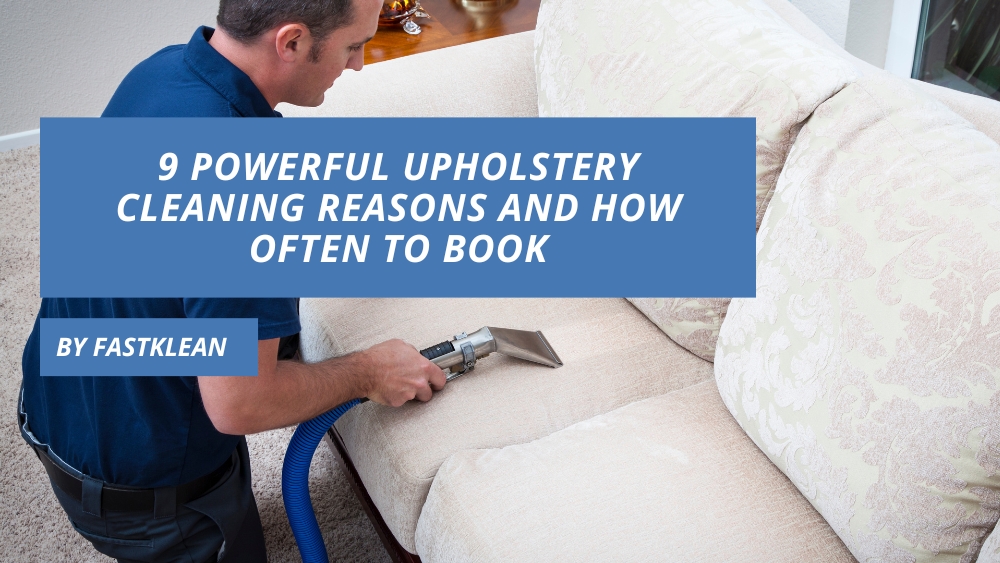
Are you confident your sofa and armchairs are as clean as they look, or could hidden dust, allergens, and odours be living deep in the fibres despite regular vacuuming? Professional upholstery cleaning keeps fabrics fresher for longer, protects colour and texture, and helps the home smell clean rather than perfumed. In this guide, you will learn why fabric care matters, how often to arrange upholstery cleaning, and what to do between visits so seats stay comfortable and hygienic without fuss.
If you are a renter, a student in shared accommodation, a homeowner, or a landlord preparing for viewings, then this will help you set a sensible schedule, reduce wear, and make living rooms feel inviting every day.
Table of Contents
- Why Sofa Cleaning Matters For Health And Fabric Life
- How Often Should Professional Upholstery Cleaning Be Done
- DIY Care Between Upholstery Cleaning Visits
- Cost, Time, And Results, What To Expect
- FAQ
Why Sofa Cleaning Matters For Health And Fabric Life

Fabrics act like air filters. They catch skin cells, hair, pollen, food crumbs, and fine dust that a quick vacuum does not always reach. Over time, this builds up dull colours, flattens the pile, and can trap odours, especially in snug rooms with little airflow. Regular sofa cleaning reduces allergens, supports better indoor air quality, and slows abrasion from grit that grinds on fibres. Clean seating lasts longer, looks crisper, and feels better to sit on, which is why a predictable routine beats one-off blitzes.
From years of moving between small flats while working abroad, freshening sofas early made every new place feel like home. A careful vacuum with the brush tool, followed by attention to arms and headrests where skin oils gather, lifted the space immediately. In high pollen months, a deeper session with a professional left the room calmer, naps more comfortable, and fabrics brighter under natural light.
The Hygiene Wins You Can Feel
Cleaner fabric holds less dust, which means less irritation for allergy-sensitive guests. It also removes residues that create that stale, closed-room smell. With consistent sofa cleaning, cushions regain loft, and the surface feels gentle against skin, not gritty or sticky.
Fabric Life And Colour Retention
Grit is the enemy of textiles. It rubs on yarns and weakens them. By lifting fine particles regularly, you reduce friction and preserve the original colour. This pays off for renters in deposit checks and for owners who want to delay replacement costs.
How Often Should Professional Upholstery Cleaning Be Done
There is no one-size-fits-all answer, but there are sensible ranges. Frequency depends on fabric type, household size, pets, allergies, and room usage. A sleek two-seat sofa in a rarely used study does not need the same pattern as a corner unit in a busy lounge with children and a dog. The aim is to set a timetable that keeps hygiene and appearance steady throughout the year.
Practical Timelines For Busy Homes
Most family homes benefit from professional upholstery cleaning every 6 to 12 months. High traffic seating, pale fabrics, or homes with pets often suit 6 to 9 months. Compact student flats, where ventilation is limited and friends gather often, may also prefer two visits a year, particularly at the start of autumn and late spring. For low-use rooms, yearly is usually enough.
What About Allergy Or Asthma Concerns
If someone in the home is sensitive to dust or pollen, lean towards the shorter end of the range. After a spring surge of pollen or a spell of open windows in summer, a scheduled visit clears what routine vacuuming misses. In personal experience, switching from annual to twice yearly cleans noticeably reduced sneezy evenings and helped fabrics feel less prickly against the skin.
Renting, Deposits, And Check Outs
For renters, keep invoices and booking confirmations. A pre-checkout professional upholstery cleaning can refresh a lounge immediately and support a smooth move-out—especially when paired with an end of tenancy cleaning service in London (and this can help you plan: end of tenancy cleaning checklist). Landlords preparing a property for new tenants should consider a deep clean after any refurbishment dust, then maintain a simple annual programme.
DIY Care Between Upholstery Cleaning Visits

Professional work does the heavy lift, but small weekly actions protect it. These tasks take minutes and keep cushions fresher, seams tidier, and spills from becoming stains. They also reduce the effort needed at the next visit.
Vacuum Like A Pro With A Simple Pattern
Use a vacuum with a soft brush tool. Start at the top, move downwards, and work in short overlapping strokes. Lift cushions to reach crevices. Pay extra attention to arm tops, headrests, and piping, where body oils and dust accumulate. Turn cushions weekly to even out wear and restore shape.
Tackle Spills Quickly And Safely
Blot, do not rub. Use a clean white cloth to lift liquids and a small amount of cool water to dilute. For oil-based marks, place a paper towel to absorb, then follow the manufacturer’s guidance. Avoid harsh chemicals or coloured cloths that might transfer dye. If unsure, leave the stain for your next upholstery cleaning visit and mention it to the technician (you might also find this useful: the science behind stain removal—or consider professional stain removal services).
Airflow, Sun, And Smell Control
Open windows when safe and dry weather allows. A short burst of fresh air reduces stale odours. Do not leave fabrics in direct sunlight for prolonged periods, as this can fade colours. Use throws on seats for pets and wash them weekly to keep the main fabric cleaner for longer.
Cushion Care And Gentle Grooming
A light brush with a clean, soft clothes brush lifts the nap on velvet or chenille. For woven textures, a quick once-over keeps lint away. Do this after vacuuming to present the pile neatly and maintain that just-cleaned look between appointments.
Cost, Time, And Results: What To Expect
Clarity on what happens during a visit makes planning easier. You can organise rooms, manage drying times, and balance schedules around study, work, or family routines. The goal is a predictable process that leaves the seating dry within hours and ready for normal use soon after. For a quick guide to budgeting, see upholstery cleaning prices (and for broader pricing context: cleaning rates).
Typical Visit Steps
Technicians inspect fabric labels and test for colourfastness. They dry vacuum thoroughly, pre-treat marks, and apply a suitable cleaning method, for example, low moisture or hot water extraction, depending on fabric. They then groom fibres to lift the pile and accelerate drying. Good airflow helps surfaces dry faster, so open a window or run gentle ventilation if possible.
Drying And Safe Reuse
Most seats are touch-dry within a few hours. Avoid heavy use until fully dry to prevent re-soiling or imprinting. Place clean towels under metal chair legs if needed to stop rust transfer onto damp fabric. Keep pets and children away until surfaces feel completely dry.
Fabric Protectors: Are They Worth It
For busy homes and pale fabrics, protector treatments can help repel spills long enough for blotting. They are not a shield against all stains, but they delay absorption and make maintenance simpler. Ask during your professional upholstery cleaning visit if the fabric is suitable.
When To Repair Rather Than Clean
Loose seams, worn piping, or sagging webbing might need a furniture repair specialist. Cleaning will not fix structural issues. Sort these first, then return to a normal upholstery cleaning schedule to keep the refreshed piece in good condition.
Ready to refresh your lounge and extend fabric life with less effort week to week? Request a free quote for upholstery cleaning in London and get a custom cleaning plan for your home. Your sofa will look brighter, smell cleaner, and feel better for longer. You can also contact a cleaner or go straight to book a cleaner.
To unlock more cleaning tips, revisit our earlier content on “Professional Cleaners vs DIY Cleaning: Which Is Worth It for London Homes?”.
FAQ
How Often Should A Sofa Be Cleaned Professionally
Most homes find success every 6 to 12 months. Households with pets, pale fabrics, or allergies often prefer 6 to 9 months. Low-use rooms can stretch to yearly.
Is Upholstery Cleaning Safe For Delicate Fabrics Like Velvet Or Linen
Yes, when assessed correctly. Technicians test colourfastness and choose low moisture or specialist methods as needed. Always follow the care label and avoid harsh DIY chemicals.
What Can I Do Weekly To Keep Seats Fresh Between Visits
Vacuum with a soft brush, flip cushions, air the room for short periods, and blot spills promptly. Use washable throws for pets and avoid eating oily foods directly on the sofa.
UpholsteryCleaning #SofaCare #FabricCleaning #HomeHygiene #FreshLiving
Recommended books for further reading:
- How To Clean Your House: Easy tips and tricks to keep your home clean and tidy up your life
- Not Just a Cleaner
- The Organically Clean Home: 150 Everyday Organic Cleaning Products You Can Make Yourself―The Natural, Chemical-Free Way
- Simply Clean: The Proven Method for Keeping Your Home Organized, Clean, and Beautiful in Just 10 Minutes a Day
- The Easy Life: Quick ways to clean and manage your home all year round
Recommended cleaning products in our shop: