
A workplace isn’t just about desks, computers, and meetings—it’s an environment that directly influences how employees feel and perform. A clean and well-maintained office does more than just create a good impression; it plays a crucial role in productivity, mental well-being, and overall job satisfaction. Whether you're an employer looking to improve workplace efficiency or an employee struggling to focus in a cluttered space, understanding the impact of cleanliness can make a world of difference.
The Psychological Impact of a Clean Office
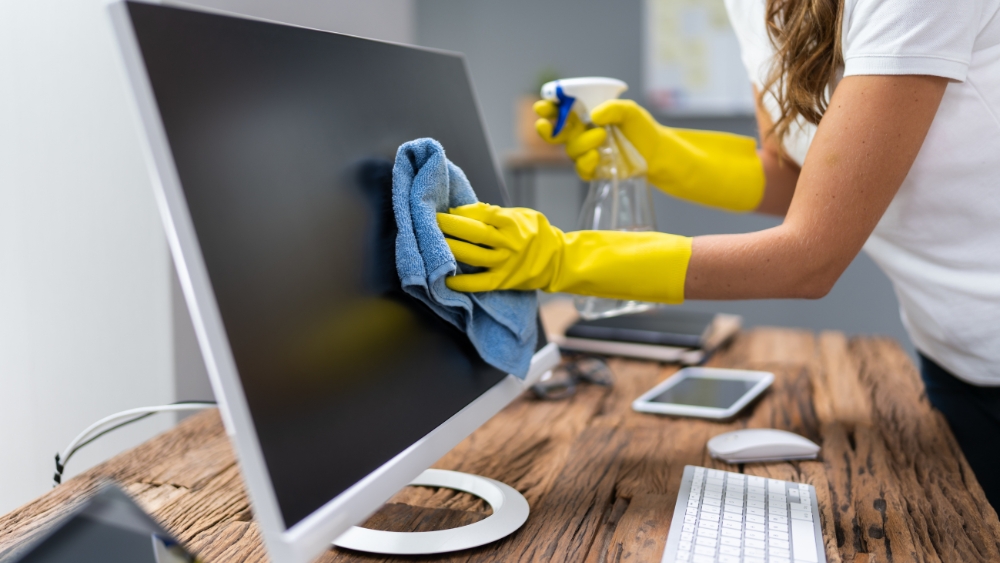
The state of a workspace affects mood and mental clarity. A cluttered, messy office can feel chaotic, leading to increased stress and decreased motivation. On the other hand, a tidy and organised space fosters a sense of control and efficiency.
- Reduces Stress & Mental Fatigue
- A messy environment can create subconscious stress, making it harder to concentrate.
- Employees working in clean offices report feeling more in control of their workload.
- Encourages Focus & Efficiency
- Cluttered spaces force the brain to process excess information, leading to distraction.
- A clean workspace allows employees to focus on tasks without visual or mental clutter.
- Enhances Creativity & Problem-Solving
- Working in an organised environment helps clear mental space, allowing fresh ideas to flow.
- Employees are more likely to approach challenges with a problem-solving mindset.
The Link Between Office Cleanliness & Physical Health
Beyond mental well-being, a clean office has a direct impact on physical health. Dust, germs, and poor air quality contribute to common workplace illnesses, which in turn affect productivity.
- Reduces the Spread of Germs & Illnesses
- Shared office equipment like keyboards, phones, and printers can harbour bacteria.
- Regular cleaning of high-touch surfaces reduces the risk of colds, flu, and other infections.
- Improves Indoor Air Quality
- Dust, mould, and poor ventilation can cause headaches, allergies, and respiratory issues.
- Air purifiers, regular dusting, and deep cleaning carpets help maintain air quality.
- Prevents Pest Infestations
- Food crumbs and overflowing bins attract pests like ants, cockroaches, and rodents.
- A clean office prevents infestations that can cause damage and hygiene issues.
The Productivity Benefits of a Clean Workplace
A clean office doesn’t just prevent illness—it actively boosts productivity by creating a more structured, professional, and motivating work environment.
- Fewer Sick Days
- A healthier office means fewer employees calling in sick, ensuring a smooth workflow.
- Businesses lose millions each year due to absenteeism linked to workplace hygiene.
- Boosts Employee Morale
- Employees feel valued when they work in a clean and well-maintained space.
- A well-kept office fosters a sense of pride and professionalism.
- Increases Workplace Efficiency
- Organised spaces lead to quicker access to documents, tools, and resources.
- Less time spent searching for misplaced items means more time dedicated to actual work.
Practical Tips for Maintaining a Cleaner Office
Even with professional cleaning services, daily maintenance is essential to keep the office consistently fresh and productive. Here’s how employees and employers can contribute:
- Encourage a Clean Desk Policy
- Employees should clear unnecessary items from desks at the end of each day.
- Providing storage solutions helps keep workspaces clutter-free.
- Disinfect High-Touch Areas Daily
- Regularly wipe down shared equipment like phones, keyboards, and door handles.
- Keep disinfectant wipes available for quick clean-ups.
- Implement a No-Food-at-Desk Rule
- Eating at desks leads to crumbs, stains, and lingering odours.
- Designated eating areas help maintain cleanliness.
- Schedule Regular Deep Cleaning
- Beyond daily maintenance, professional deep cleaning should be done at least quarterly.
- Carpets, upholstery, and ventilation systems should be sanitised to maintain air quality.
- Encourage Personal Hygiene
- Providing hand sanitisers and tissues reduces the spread of germs.
- Employees should be encouraged to wash their hands regularly, especially during the flu season.
The Long-Term Benefits of a Clean Office
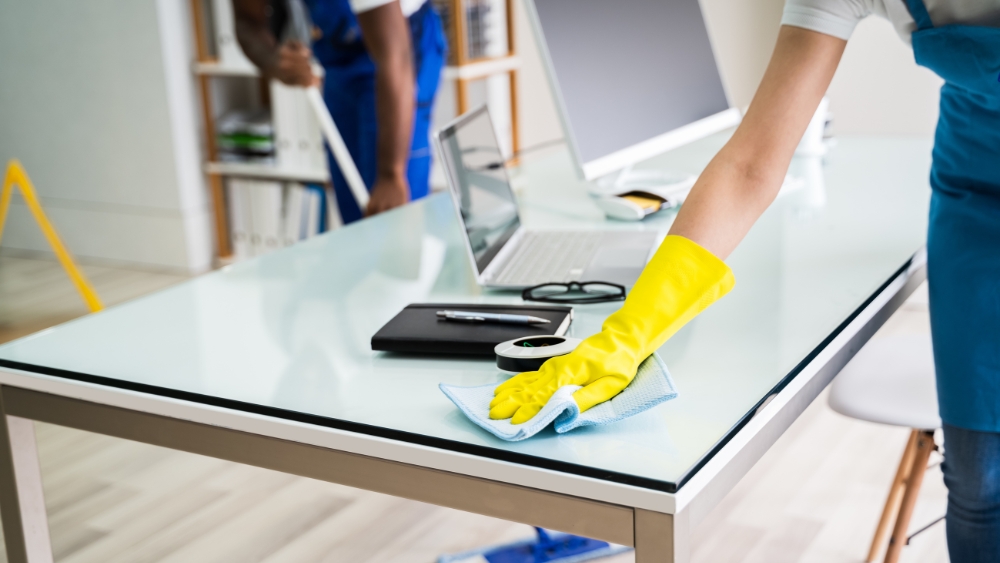
Investing in a clean office isn’t just about appearance—it has lasting benefits that affect overall business performance.
- Improves Employee Retention: A pleasant working environment reduces dissatisfaction and increases job loyalty.
- Enhances Professional Image: A well-maintained office leaves a positive impression on clients and visitors.
- Boosts Long-Term Productivity: A cleaner workplace leads to healthier, happier, and more engaged employees.
A clean office is more than just a nice-to-have—it’s a powerful tool for creating a healthier, more productive workplace where employees can thrive.
Gain more valuable tips from our related guide, "Why Regular Window Cleaning Is Essential for Your Office".
FAQs
How often should an office be professionally cleaned?
Daily cleaning is ideal for high-traffic offices, with deep cleaning scheduled at least every three months to maintain hygiene and air quality.
What’s the most overlooked area in office cleaning?
Vents, under desks, and shared electronics (like printers and photocopiers) are often missed but can collect a lot of dust and bacteria.
How can employees contribute to office cleanliness?
Simple habits like tidying desks, wiping shared surfaces, and using designated bins for rubbish can make a big difference in maintaining a clean environment.
#CleanOffice #OfficeProductivity #HealthyWorkplace #HygienicOffice #WorkplaceEfficiency #OfficeHygiene #EmployeeWellbeing
Recommended books for further reading:
- Not Just a Cleaner
- The Naturally Clean Home: 150 Super Easy Herbal Formulas for Green Cleaning
- The Organically Clean Home: 150 Everyday Organic Cleaning Products You Can Make Yourself―The Natural, Chemical-Free Way
- Simply Clean: The Proven Method for Keeping Your Home Organized, Clean, and Beautiful in Just 10 Minutes a Day
- The Easy Life: Quick ways to clean and manage your home all year round
Recommended cleaning products in our shop:
- Reusable Heavy Duty Cleaner Spray Bottle 750ml
- 2 Water Soluble Plastic Free Cleaning Sachets – Multipurpose
- 5 Pack Reusable Bamboo Fibre Kitchen Cleaning Cloths
- 5 Pack Bamboo Cleaning Cloths with Reusable Bag- All from Natural Fabric
- Natural Loofah Dishwashing Sponge (Pack of 5)