
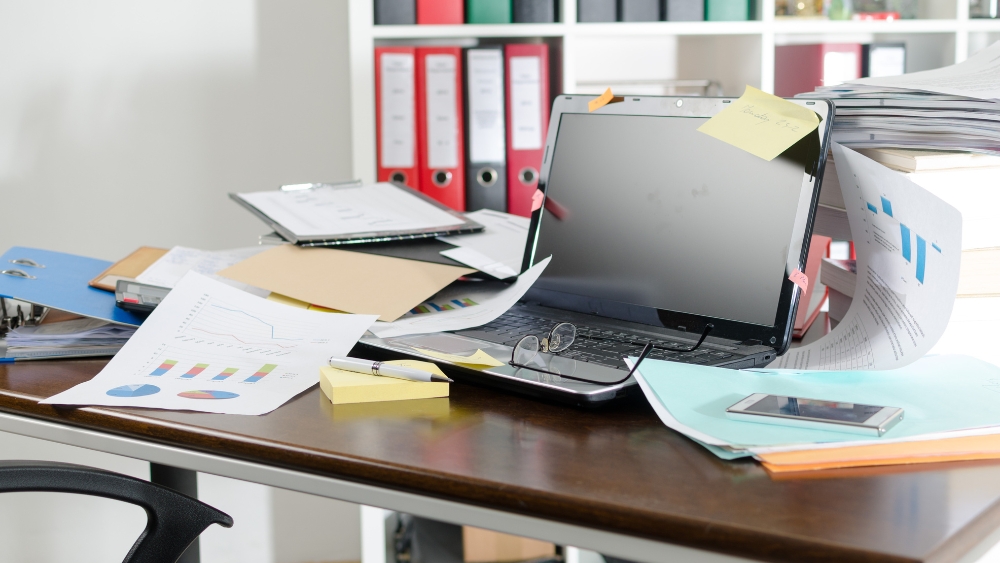
A messy office isn’t just an eyesore—it can seriously affect employee health, productivity, and even business reputation. Many workplace hazards stem from poor hygiene and neglected cleaning routines, leading to everything from minor discomfort to serious health and safety risks. If dirt and clutter have been creeping into your workplace, it’s time to take action.
Let’s uncover the hidden dangers of a dirty office and, more importantly, how to fix them before they become costly problems.
Increased Risk of Illness & Germ Spread
The Problem:
A workplace is full of shared surfaces—keyboards, phones, door handles, and communal areas—that can become breeding grounds for bacteria and viruses. Without regular cleaning, germs spread rapidly, increasing the chances of employees falling ill.
The Fix:
- Disinfect high-touch surfaces daily, including desks, light switches, and communal kitchen appliances.
- Encourage hand hygiene by providing hand sanitisers in common areas.
- Schedule deep cleaning of carpets and upholstery to remove allergens and bacteria.
Poor Indoor Air Quality
The Problem:
Dust, mould, and airborne pollutants accumulate in offices with poor ventilation and infrequent cleaning. This can lead to respiratory issues, headaches, and fatigue among employees, particularly those with allergies or asthma.
The Fix:
- Clean air vents and replace filters regularly to maintain air circulation.
- Dust shelves, blinds, and light fixtures weekly to prevent build-up.
- Introduce air purifiers or indoor plants to improve air quality naturally.
Pest Infestations
The Problem:
Food crumbs, overflowing bins, and unclean kitchen areas attract pests like ants, rodents, and cockroaches. Once pests enter, they can cause hygiene issues, contaminate food, and damage office furniture.
The Fix:
- Implement a no-food-at-desks policy to minimise crumbs and spills.
- Empty bins daily and ensure rubbish is properly sealed.
- Schedule pest control inspections to prevent infestations before they start.
Workplace Accidents & Safety Hazards
The Problem:
Cluttered walkways, spills left unattended, and improperly stored cleaning supplies can lead to slips, trips, and falls—one of the most common workplace injuries.
The Fix:
- Ensure walkways remain clear of clutter, wires, and unnecessary furniture.
- Address spills immediately and use proper signage when floors are wet.
- Store cleaning supplies in a designated, organised area to avoid accidental exposure to chemicals.
Lower Employee Morale & Productivity
The Problem:
A dirty, disorganised workspace affects how employees feel about their job. A neglected office environment can lead to decreased motivation, lower job satisfaction, and increased absenteeism.
The Fix:
- Establish a cleaning routine to maintain a tidy and inviting workspace.
- Encourage employees to keep their own desks organised.
- Invest in professional cleaning services to maintain hygiene standards without adding to employees' workload.
Bad First Impressions on Clients & Visitors
The Problem:
A cluttered or dirty office sends the wrong message to clients, customers, and business partners. It can make your company appear unprofessional, disorganised, or even unreliable.
The Fix:
- Keep reception and meeting areas spotless, as they are the first thing visitors see.
- Ensure glass doors, windows, and floors are cleaned regularly.
- Schedule routine deep cleaning to maintain a professional and welcoming atmosphere.
Increased Wear & Tear on Office Equipment
The Problem:
Dirt and dust can cause computers, printers, and other office equipment to overheat or malfunction. Carpets and furniture wear down faster when neglected, leading to costly replacements.
The Fix:
- Dust and wipe down office equipment regularly, including vents and keyboards.
- Vacuum carpets and clean upholstery to extend their lifespan.
- Invest in proper storage solutions to keep equipment in good condition.
Creating a Cleaner, Safer Workplace
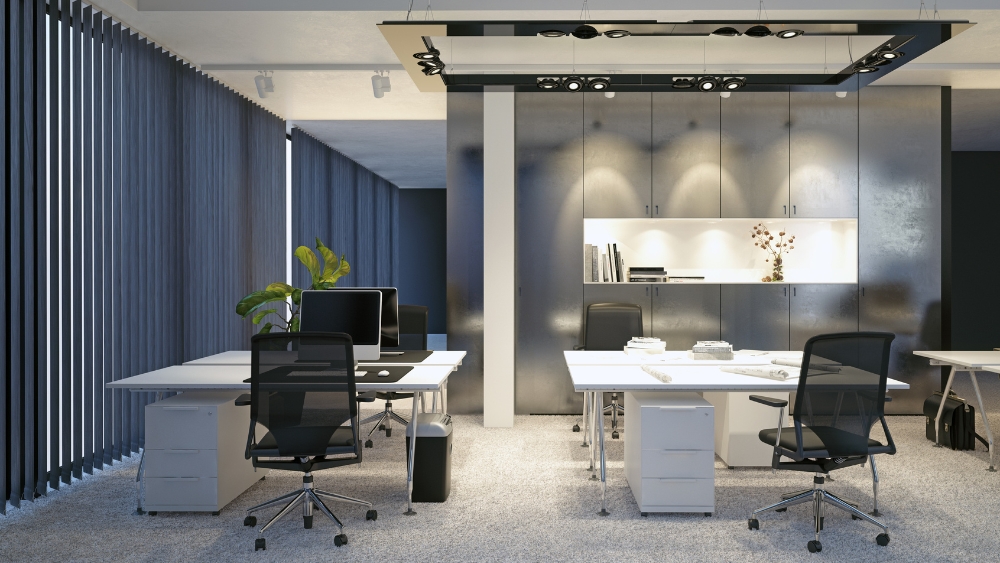
Maintaining a clean office isn’t just about appearances—it’s about creating a healthier, safer, and more productive environment for everyone. By addressing these hidden dangers, businesses can improve employee well-being, reduce workplace risks, and leave a positive impression on visitors.
FAQs
How often should an office be deep cleaned?
A deep clean every three to six months is recommended, with daily maintenance in between to keep things tidy.
What’s the biggest hygiene risk in an office?
Shared surfaces like keyboards, phones, and kitchen areas tend to be the most contaminated, making them a priority for regular cleaning.
How can employees help maintain a clean workspace?
Simple habits like keeping personal desks tidy, wiping surfaces after use, and disposing of rubbish properly can make a big difference in maintaining office cleanliness.
#CleanOffice #WorkplaceHygiene #ProductiveWorkspace #OfficeCleaningTips #HealthyOffice #OfficeMaintenance #EmployeeWellbeing
Recommended books for further reading:
- The Art of Natural Cleaning: Tips and techniques for a chemical-free, sparkling home
- The Naturally Clean Home: 150 Super Easy Herbal Formulas for Green Cleaning
- The Organically Clean Home: 150 Everyday Organic Cleaning Products You Can Make Yourself―The Natural, Chemical-Free Way
- Simply Clean: The Proven Method for Keeping Your Home Organized, Clean, and Beautiful in Just 10 Minutes a Day
- Clean My Space: The Secret to Cleaning Better, Faster, and Loving Your Home Every Day
Recommended cleaning products in our shop: