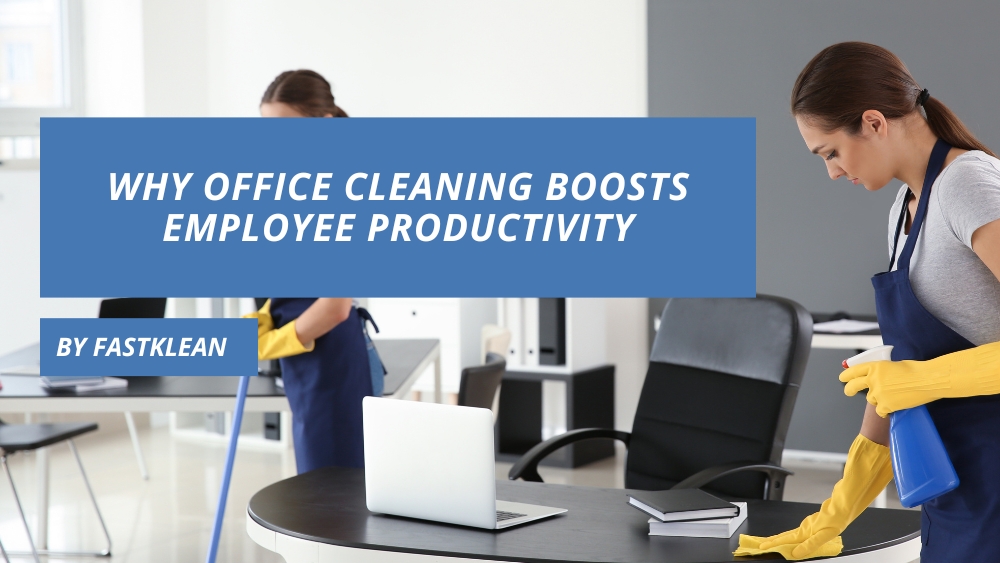
A tidy workspace does far more than look good. Office cleaning has a measurable impact on how people think, feel, and work. Studies show that clean surroundings improve mental clarity, support healthier habits, and lower stress. In contrast, cluttered or dusty environments contribute to fatigue, frustration, and sick leave. A clean office sets the tone for performance, from professional deep cleans to daily desk upkeep.
This blog is for employers, managers, and anyone wanting to create a healthier, more efficient workplace through smarter cleaning habits.
Table of Contents
• Why research links productivity and cleanliness
• How clutter affects focus, stress, and collaboration
• The health case for stronger workplace hygiene
• Cleaning habits that lift daily performance
• Building a culture of shared responsibility
• FAQs
What the Research Says About Clean Offices and Output
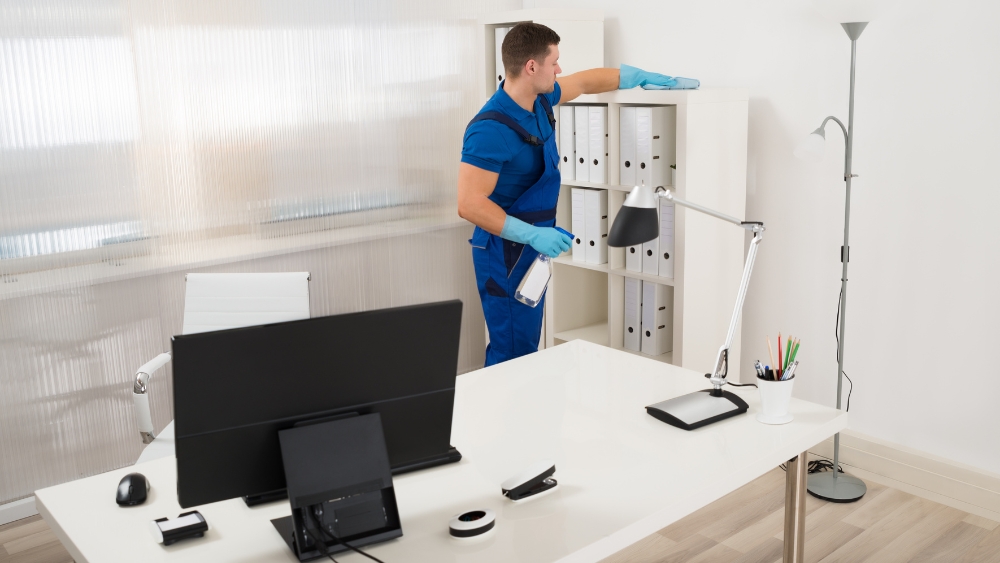
Several studies across the UK and Europe confirm what many already feel. People work better in clean environments. Research from the University of Exeter found that employees who had input into organising and tidying their workspace reported a 32% improvement in well-being and performance.
Another workplace study revealed that productivity drops by more than 10% in environments perceived as unclean or poorly maintained. This isn’t just about germs. It includes visual clutter, poor odours, and grime that signals neglect.
How Clutter and Dirt Impact Focus and Morale
It’s easy to underestimate how distractions build up in a cluttered space. Bits of paper, dusty surfaces, and overflowing bins interrupt the mental flow. Every unnecessary item adds a micro-decision or moment of irritation that pulls attention from meaningful work.
A messy space also sends subtle messages. Employees may feel less valued if the environment doesn’t feel cared for. Clean offices promote pride and professionalism, which feed into job satisfaction and stronger collaboration.
The Psychology Behind Workplace Order
People feel calmer and more in control when their surroundings are tidy. Order reduces cognitive load, making planning, prioritising, and thinking easier. This matters most in fast-paced offices where multitasking is the norm.
Why Workplace Hygiene Cuts Down on Sick Days
Workplace hygiene is not just about looking clean. It’s about limiting bacteria and allergens that travel easily in shared spaces. Door handles, keyboards, communal kitchens, and meeting rooms are hotspots for germ spread.
Studies show that offices with regular cleaning schedules and professional services report fewer cases of employee absence due to seasonal illness or workplace-related reactions like dust sensitivity.
Where Germs Hide in the Office
Keyboards and phones often have more bacteria than toilet seats. Even tidy desks can be risky during flu season or allergy spikes without proper disinfection routines.
Cleaning Habits That Support Better Performance
Daily light cleaning paired with periodic deep cleans gives the best balance. Surfaces, bins, shared appliances and toilets should be cleaned daily. Weekly tasks might include floors, windows, and ventilation units.
Professional office cleaning services can handle hard-to-reach areas, steam cleaning, and antibacterial treatments. When visible cleanliness aligns with hygiene protocols, staff notice the difference.
Clear Spaces = Clear Minds
Encouraging a 5-minute tidy at the end of the day makes mornings more manageable. A fresh desk helps employees start with purpose instead of irritation.
Building a Culture That Values Cleanliness
It’s not just the cleaners' job. Employers who promote shared responsibility and lead by example tend to have cleaner, happier offices.
This includes simple policies like no eating at desks, regular fridge cleanouts, and assigning rotating teams to oversee break room order. A visible cleaning reward system for tidy departments can turn good habits into company culture.
Empowering Staff Without Policing Them
Use gentle reminders, not strict enforcement. The goal is to connect cleanliness with comfort and pride, not punishment. Provide the tools, wipes, bins, and sanitisers, and make it easy to keep the space pleasant.
Long-Term Benefits of Professional Office Cleaning

Hiring reliable cleaners improves consistency, quality and hygiene standards. Over time, this reduces maintenance costs, prolongs furniture and carpet life, and creates a better impression for clients and visitors.
Professionally cleaned offices also show a commitment to staff wellbeing. That translates into improved morale and lower turnover. A healthier team with fewer sick days and more mental clarity gets more done and enjoys doing it.
Want Fewer Absences and More Energy? Start With Clean Floors
Dust build-up in carpets affects indoor air quality. Regular deep carpet cleans reduce allergens and support long-term respiratory health.
Want a workplace that feels sharp, focused, and energised? Prioritise office cleaning and let the results speak for themselves.
Visit our office cleaning service page to see how we help London teams work smarter, breathe easier, and perform at their best.
Make cleaning easier by browsing more of our proven strategies: "The Ultimate Office Cleaning Checklist for a Healthy Workplace".
FAQs
How often should offices be professionally cleaned?
Daily for high-traffic areas. Deep cleans every 2–4 weeks, improving air quality and hygiene.
Is it really necessary to clean keyboards and phones?
Yes. These are high-touch areas that carry bacteria. Regular disinfection lowers health risks.
Can a clean office improve mental health?
Absolutely. Tidy, hygienic spaces reduce stress and help staff focus. Many studies back this connection.
#OfficeProductivity #CleanWorkplace #EmployeeWellbeing #TidyOfficeTips #ProfessionalCleaning #WorkSmartLiveClean
Recommended books for further reading:
- The Easy Life: Quick ways to clean and manage your home all year round
- The Organically Clean Home: 150 Everyday Organic Cleaning Products You Can Make Yourself―The Natural, Chemical-Free Way
- The Naturally Clean Home: 150 Super Easy Herbal Formulas for Green Cleaning
- Not Just a Cleaner
- Simply Clean: The Proven Method for Keeping Your Home Organized, Clean, and Beautiful in Just 10 Minutes a Day
Recommended cleaning products in our shop: