
Summer is a beautiful season filled with sunshine and outdoor activities, but it can also bring a surge in allergens that affect your home's air quality. Pollen, dust mites, mould, and pet dander are common culprits that can trigger allergies and respiratory issues. Keeping your home allergen-free is essential for a healthy living environment. Here are some practical tips to help you maintain an allergen-free home this summer.
-
Understand Common Summer Allergens
Pollen
Pollen from trees, grasses, and weeds is a significant summer allergen. It can easily enter your home through open windows and doors, as well as on your clothes and pets.
Dust Mites
Dust mites thrive in warm, humid conditions, making summer a peak time for these microscopic pests. They are commonly found in bedding, upholstered furniture, and carpets.
Mould
Summer humidity can lead to mould growth in damp areas such as bathrooms, kitchens, and basements. Mould spores can trigger allergic reactions and worsen asthma symptoms.
Pet Dander
Increased shedding during the summer months can result in more pet dander, which is a common allergen for many people.
-
Maintain Clean Air Quality
Use Air Purifiers
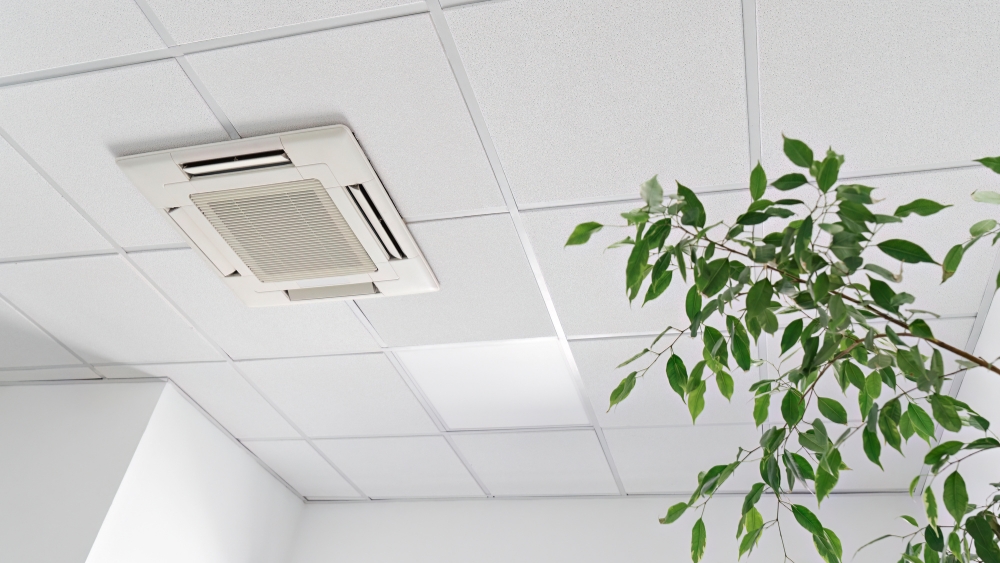
Invest in high-quality air purifiers with HEPA filters to remove airborne allergens from your home. Place them in common areas and bedrooms for the best results.
Keep Windows Closed
Keep pollens away from your home by closing your windows and doors during peak pollen times. Use air conditioning to cool your home instead.
Ventilate Properly
Ensure proper ventilation in high-humidity areas like bathrooms and kitchens. Use exhaust fans and dehumidifiers to reduce moisture levels and prevent mould growth.
-
Implement Effective Cleaning Techniques
Regular Dusting and Vacuuming
Dust all surfaces regularly using a damp cloth to trap dust rather than spreading it into the air. Vacuum carpets, rugs, and upholstery frequently with a vacuum cleaner equipped with a HEPA filter.
Wash Bedding Weekly
Wash bedding, pillowcases, and blankets in hot water weekly to kill dust mites and remove allergens. Consider using allergen-proof covers for mattresses and pillows.
Clean and Replace Air Filters
Clean or replace the filters in your air conditioning units and vacuum cleaners regularly. Dirty filters can recirculate allergens back into the air.
-
Focus on High-Allergen Areas
Bedrooms
Since we spend a significant amount of time in our bedrooms, it's crucial to keep them allergen-free. Use hypoallergenic bedding, keep pets out of the bedroom, and ensure proper ventilation.
Living Rooms
Clean upholstered furniture and curtains regularly. Consider using washable slipcovers for easier cleaning. Minimise clutter to reduce dust accumulation.
Kitchens and Bathrooms
Prevent mould growth by cleaning and drying surfaces thoroughly. Fix any leaks promptly and use mould-resistant products where possible.
-
Incorporate Professional Cleaning Services
Deep Cleaning
Professional cleaning services can provide deep cleaning for carpets, upholstery, and hard-to-reach areas, effectively removing allergens that regular cleaning might miss.
Mould Remediation
If you have a significant mould problem, consider hiring professionals for mould remediation. They have the expertise and equipment to handle moulds safely and effectively.
Air Duct Cleaning
Professional air duct cleaning can improve your home's air quality by removing dust, pollen, and other allergens that accumulate in the ductwork over time.
-
Pet Care and Cleaning
Regular Grooming
Regularly groom your pets to reduce shedding and dander. Bathe them with hypoallergenic pet shampoos and brush them outside to minimise indoor allergens.
Clean Pet Areas
Clean pet bedding, toys, and litter boxes frequently. Designate specific areas for your pets to help contain allergens.
-
Use Allergen-Proof Products
Bedding and Furniture Covers
Invest in allergen-proof covers for mattresses, pillows, and upholstered furniture. These covers create a barrier that prevents dust mites and other allergens from penetrating.
Hypoallergenic Cleaning Products
Use hypoallergenic cleaning products that are free from harsh chemicals and fragrances. These products are less likely to trigger allergic reactions.
-
Monitor Indoor Humidity
Use Dehumidifiers
Maintain indoor humidity levels between 30-50% using dehumidifiers. This range discourages dust mites and mould growth.
Ventilate After Showering
Open windows or use exhaust fans to ventilate bathrooms after showering. This helps reduce moisture and prevents mould from developing.
-
Landscaping Tips to Reduce Pollen

Choose Low-Allergen Plants
Opt for low-allergen plants for your garden. Female plants produce less pollen than male plants, so consider incorporating more female plants into your landscape.
Maintain Your Lawn
Regularly mow your lawn and keep grass short to reduce pollen production. Wear a mask while mowing to avoid inhaling allergens.
-
Regularly Inspect and Maintain Your Home
Check for Leaks
Regularly inspect your home for leaks and fix them promptly. Water damage can lead to mould growth, which is a significant allergen.
Keep Entryways Clean
Place doormats at entryways and encourage family members and guests to wipe their feet before entering. This helps reduce the amount of pollen and dirt tracked into the house.
Conclusion
Maintaining an allergen-free home this summer involves a combination of regular cleaning, proper ventilation, and professional services. By understanding common allergens and implementing these tips, you can improve your home's air quality and create a healthier living environment for you and your family.
Engage with Us!
We hope these tips help you keep your home allergen-free this summer. If you found this guide useful, please like, share, and leave a comment below with your thoughts or any questions you may have. We’d love to hear from you! Don’t forget to check out our other blogs like "Beyond Aesthetics: Health Benefits of a Thorough One-Off Deep Clean" on the website for more tips and insights into maintaining a clean and healthy home. Your engagement helps us create more valuable content for you. Thank you for reading!
FAQs
How often should I vacuum to keep allergens at bay? For best results, vacuum at least twice a week, especially in high-traffic areas. Use a vacuum cleaner with a HEPA filter to effectively trap allergens.
What is the best way to reduce pet dander in the home? Regularly groom your pets, wash their bedding, and vacuum frequently. Keeping pets out of certain areas, like bedrooms, can also help reduce dander.
Can indoor plants help improve air quality? Yes, certain indoor plants can help improve air quality by filtering out pollutants. However, be cautious as some plants can also produce pollen. Choose low-allergen plants like spider plants, peace lilies, and snake plants.
#AllergenFreeHome #SummerCleaning #AirQuality #HealthyLiving #DustMites #Pollen #Mould #PetDander #HomeCleaningTips #AllergyPrevention
Recommended books for further reading:
- Clean My Space: The Secret to Cleaning Better, Faster, and Loving Your Home Every Day
- The Naturally Clean Home: 150 Super Easy Herbal Formulas for Green Cleaning
- Baking Soda Power! Frugal, Natural, and Health Secrets of Baking
- The Organised Mum Method: Transform your home in 30 minutes a day
- Cluttered Mess to Organized Success Workbook: Declutter and Organize your Home and Life with over 100 Checklists and Worksheets
Recommended cleaning products in our shop: